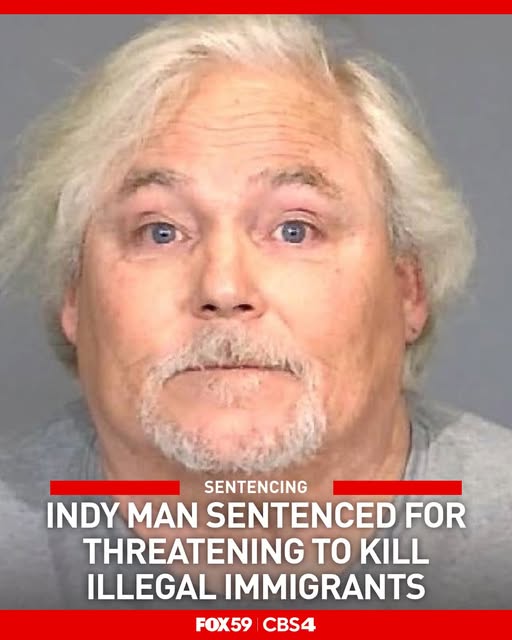
An Indianapolis man has been sentenced after admitting to making violent threats to commit a mass shooting against a group of immigrants, according to federal authorities. The case has drawn significant attention due to the alarming nature of the threats and the growing national concern over extremist rhetoric.
Guilty Plea Leads to Sentencing
Investigators say the man pleaded guilty to federal charges connected to online threats in which he expressed intent to carry out a mass shooting targeting illegal immigrants. Prosecutors described the threats as credible, serious, and rooted in extremist ideology, prompting an immediate law enforcement response.
The court determined that the man’s actions posed a danger to public safety, leading to a firm sentence intended to deter future threats.
Authorities Responded Quickly
Law enforcement agencies, including federal investigators, monitored the threatening statements and intervened before any violence occurred. Officials emphasized that online threats referencing mass violence are treated with the same urgency as physical actions, especially when they target vulnerable groups.
The swift arrest and prosecution highlight ongoing federal efforts to address the rise in hate-fueled threats and domestic extremism.
Judge Issues Strong Warning
During sentencing, the judge condemned the man’s violent rhetoric, stating that threats of mass shootings—regardless of whether they are carried out—spread fear, destabilize communities, and cannot be tolerated.
The sentence also includes requirements for mental health evaluations, monitoring, and restrictions on internet use to prevent future offenses.
Growing Concern Over Targeted Threats
Advocacy groups and community organizations have expressed relief over the sentencing but remain concerned about the rise in online hate speech. Many reiterated the need for continued monitoring of extremist language before it escalates into real-world violence.
Officials urged the public to report suspicious or threatening behavior immediately, stressing that early intervention can save lives.
About the Author