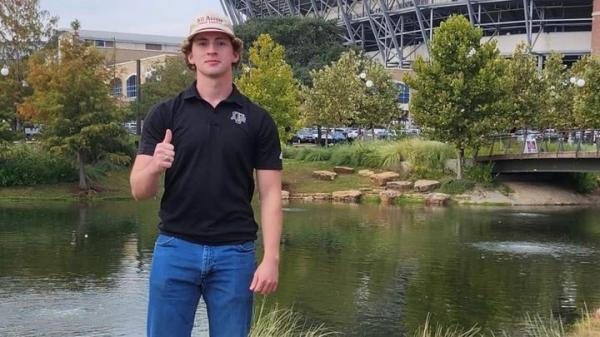
Screenshot
The death of Junior Moaku, a wellness coach based in Halifax, has drawn significant public attention and prompted difficult conversations after reports confirmed that he died following violent sexual assault charges brought against him.
The case has resonated deeply within the community, touching on themes of accountability, mental health, public trust, and the far-reaching impact of serious criminal allegations.
While details surrounding his death have been reported, the focus for many remains on the broader implications of the situation and the lives affected by it.
Junior Moaku was known publicly for his work as a wellness coach, a role that often places individuals in positions of trust and influence.
Through his professional identity, he promoted ideas of self-improvement, balance, and well-being, which made the allegations against him particularly jarring for those who followed his work or knew him personally.
The contrast between his public image and the nature of the charges has been a central point of shock and confusion for many observers.
Authorities had laid violent sexual assault charges against Moaku prior to his death, setting in motion a legal process that would have examined the allegations through the courts. As with all criminal cases, the charges represented accusations to be tested by evidence and due process.
Nonetheless, the seriousness of the claims understandably sparked strong reactions, particularly from advocates and community members concerned about violence, accountability, and the experiences of alleged victims.
Following news of his death, public discourse has been marked by complexity and tension. On one hand, there is acknowledgment of a life lost and the grief experienced by family and those close to him.
On the other, there is an equally important recognition of the gravity of the accusations and the harm such alleged actions can cause. Many have emphasized that compassion for loss does not negate the need to center survivors of sexual violence and to take allegations seriously.
The situation has also renewed discussion around mental health, especially in high-pressure circumstances involving public scrutiny and legal consequences.
Experts often note that criminal charges, media coverage, and social isolation can create overwhelming stress, underscoring the importance of mental health awareness and early support particularly before crises escalate.
However, community leaders caution against oversimplifying or drawing conclusions that diminish responsibility or accountability.
In Halifax and beyond, the case has sparked calls for more robust systems that address both prevention of sexual violence and mental health support. Advocates stress the need for safe reporting mechanisms, survivor-centered responses, and education that challenges harmful behaviors.
At the same time, there is growing emphasis on ensuring mental health resources are accessible, especially for individuals facing intense personal and legal challenges.
As the community reflects on this case, it stands as a stark reminder of how intertwined issues of trust, justice, and well-being can be. The death of Junior Moaku does not bring closure to the serious questions raised by the charges, nor does it erase the pain experienced by those impacted.
Instead, it leaves behind a complicated legacy one that continues to prompt reflection, dialogue, and a renewed call for accountability, compassion, and systemic change.
About the Author